The Scoop
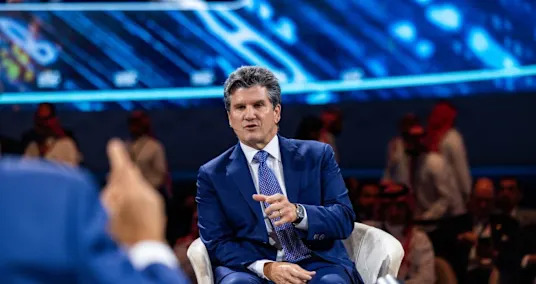
US private equity firm General Atlantic will remain committed to investing in the Gulf even as the war with Iran upends the regional economy, Chief Executive Bill Ford told Semafor in an interview.
“The biggest mistake we could make is to pull back and not be prepared when the markets become more investable,” said Ford. “We’ve been investing globally for 30 years and when we make a commitment to a region it’s permanent.”
General Atlantic, which manages around $120 billion and is known for early investments in Facebook and Uber, has been deepening a push into the Gulf over the past few years, opening offices in Abu Dhabi and Riyadh and backing more local companies. It has invested in real estate classified ads business Property Finder and more recently in Saudi Arabia-based eyewear retailer Eyewa.
Even as Iran has fired a barrage of missiles and drones at the Gulf states and closed down traffic through the Strait of Hormuz, General Atlantic has not stopped looking for deals, said Ford, speaking on the sidelines of the Saudi-backed FII Miami conference. “We have to have discussions about investment risk on specific deals, but we’re continuing to look at some opportunities,” he said.
Know More
The biggest names in private equity and venture investing have been flocking to the Gulf in recent years as the region’s sovereign wealth funds have become an increasingly important source of cash. Not content to just hand out money to foreign managers, the Gulf’s funds have also been applying pressure on international investors to set up shop in the region and invest more there.
BlackRock, KKR, and Ardian are among firms that have heeded those calls and opened offices in the Gulf or boosted their presence in the past few years.
Many of those same firms have been seeking to reassure Gulf policymakers they will stick around, even as many global companies look to move staff out of the region because of safety concerns.
As US fund managers reaffirm commitments to the Middle East, the region’s biggest investors are also continuing to look at US deals, said Ford, defying expectations that economic turmoil and questions about the impact of the war on US-Gulf relations. “I haven’t seen any signs of a movement away from the US by Gulf funds,” he said.
Ford is also staying optimistic about the potential outcome of the conflict, focusing on what could be a huge economic opportunity if hostilities end and relations between Iran and the Gulf states improve. “Optimism about what might come next in the region is very encouraging,” he said.
LATEST POSTS
- 1
 Kelsey Grammer on having a new baby at 70: 'You're just more available now'
- 2What’s the shadowy organisation taking Gaza Palestinians to South Africa?
- 3Figure out How to Alter Your Volvo XC40 for Further developed Solace
- 4Falcon 9 rocket launches Starlink satellites before making 550th SpaceX landing (video)
- 5Vote in favor of your Number one method for commending a birthday


- Key Training: Picking a Significant for Monetary Achievement
- Hostages as leverage: Iran's secret demand aimed at crippling Israel's agriculture
- New heart disease calculator predicts 30-year risk for young adults
- Monetary Strengthening: Assuming Command over Your Cash
- Step by step instructions to Explore the Close to home Consequence of Cellular breakdown in the lungs
- How did Ariana Grande get her Glinda voice? I’m the man behind the magic.
- Early diagnosis leads King Charles to scale back cancer treatment in the new year
- Sa'ar warns German delegation: 'A Palestinian state would be a Hamas terror state'
- Tesla Stock Hasn’t Looked This Cheap in a While