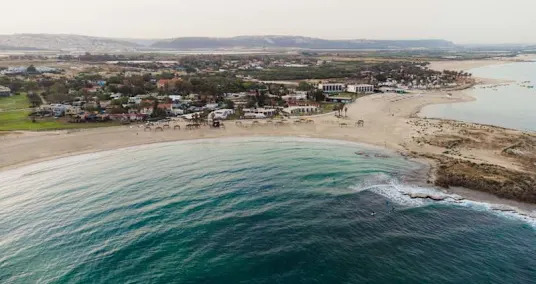
The discovery was made in an ancient shipwreck in the Dor Lagoon near the Carmel Coast, where archaeologists recovered nine pieces of unprocessed iron known as “blooms.”
Researchers from the University of Haifa said Wednesday that an underwater excavation off Israel’s northern Mediterranean coast uncovered what they described as the earliest known cargo of raw iron transported by ship, dating back around 2,600 years, Xinhua reported.
The discovery was made in an ancient shipwreck in the Dor Lagoon near the Carmel Coast, where archaeologists recovered nine pieces of unprocessed iron known as “blooms.” According to the university, the find provides direct evidence of how iron was transported in its earliest commercial stages.
The material was preserved in its original form, having solidified directly in a smelting furnace without undergoing forging or further refinement. Researchers said this distinguishes the cargo from later iron artifacts that typically show signs of shaping or tool-making.
Unlike copper and bronze, which could be melted into liquid form in ancient production processes, iron was heated with charcoal to produce a solid, porous mass. That mass was generally hammered to remove impurities and create denser material suitable for tools and implements.
The recovered blooms showed no indication of that secondary processing stage, suggesting they were transported immediately after production.

Earliest iron shipment discovered in ancient Mediterranean wreck
To determine the age and condition of the cargo, researchers conducted microscopic and chemical analyses.
Radiocarbon dating was also carried out on charred wood embedded in one of the pieces, helping confirm the timeline of the shipment. The findings were published in the journal Heritage Science.
Researchers said the cargo indicates that iron was being moved in raw form from production sites to other locations for further processing, pointing to a level of specialization in ancient manufacturing and trade networks in the Mediterranean.
The University of Haifa said the discovery provides new insight into early iron production and distribution practices in the region.
LATEST POSTS
- 1
 Vote in favor of Your #1 4K television: Lucidity and Drenching Matter
 - 2Before Cheap Cars Were Common, This Fiat Changed Everyday Life for Millions
- 3Machado ‘presented’ her Nobel Peace Prize medal to Trump
- 4Data centers in space: Will 2027 really be the year AI goes to orbit?
- 5Which Countries Would Suffer Most in a Global Energy Shutdown? This Study Has Answers




- The most effective method to Remain Ahead in the Most recent Advanced Patterns with a Web based Advertising Degree
- Mummified cheetahs found in Saudi caves shed light on lost populations
- Inn The executives: A Remunerating Profession Decision for Energetic People
- Artemis 2 astronauts are now headed to the moon. Why has it taken humanity so long to go back?
- Insurance warning signs in doctors’ offices might discourage patients from speaking openly about their health
- Amy Poehler's podcast is a hit. It's also a Trojan horse for talking about women and aging.
- Passover under fire: Israelis balance fatigue with cautious hope after month of war
- 6 Travel Services for Colorful Get-aways: Pick Your Fantasy Escape
- Two Indonesian UN peacekeepers killed in explosion in Lebanon