(Reuters) -The U.S. Food and Drug Administration is probing the death of a patient who developed harmful antibodies after taking Takeda Pharmaceuticals' blood disorder therapy, the health regulator said on Friday.
The pediatric patient died about 10 months after starting Takeda's drug Adzynma as a preventive therapy, the agency said.
The child had congenital thrombotic thrombocytopenic purpura (cTTP), an inherited condition that causes blood clots in small vessels and can lead to organ damage.
The FDA said the child developed antibodies that blocked the activity of ADAMTS13, an enzyme critical for blood clotting.
Takeda did not immediately respond to Reuters request for comment.
Adzynma, approved in 2023 as the first therapy for cTTP, replaces the ADAMTS13 protein to help prevent dangerous blood clots.
The agency added it has received multiple postmarketing reports of patients developing neutralizing antibodies to ADAMTS13 after treatment with Adzynma.
(Reporting by Kamal Choudhury in Bengaluru; Editing by Vijay Kishore)
LATEST POSTS
- 1
 Find the Native Culinary Customs: Local Flavors
 - 2Governors Ball 2026: Lorde, A$AP Rocky and Stray Kids set to headline
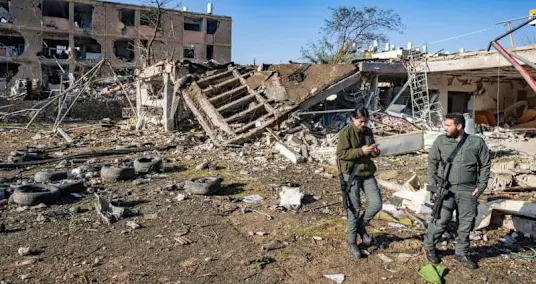
- 3Looter indicted after pretending to be emergency worker at Dimona rocket crash site
- 4The Best Games On the planet
- 5The Best Portable Applications for Psychological wellness and Prosperity




- Distributed storage Answers for Information Reinforcement
- Alix Earle built trust by sharing her acne woes. Now her skin care line is raising questions.
- Geminid meteors streak under green sky | Space photo of the day for Dec. 19, 2025
- New India programme supports tribal families hosting tourists
- Woman, 60, Is Finally Traveling the World Decades After Husband’s Death Held Her Back
- A few Up-to-date Sacks - Stylish Young ladies Shouldn't Miss
- Ariana Grande to host 'Saturday Night Live' Christmas show with Cher as musical guest, returning after nearly 40 years
- Figure out How to Protect Your Gold Venture from Unpredictability
- Manual for Instructive Application for Youngsters